


Rubik’s puzzles make great gifts when you choose by how the person likes to play: solving, fiddling, displaying, practising patterns or taking on a quick brain teaser between tasks.
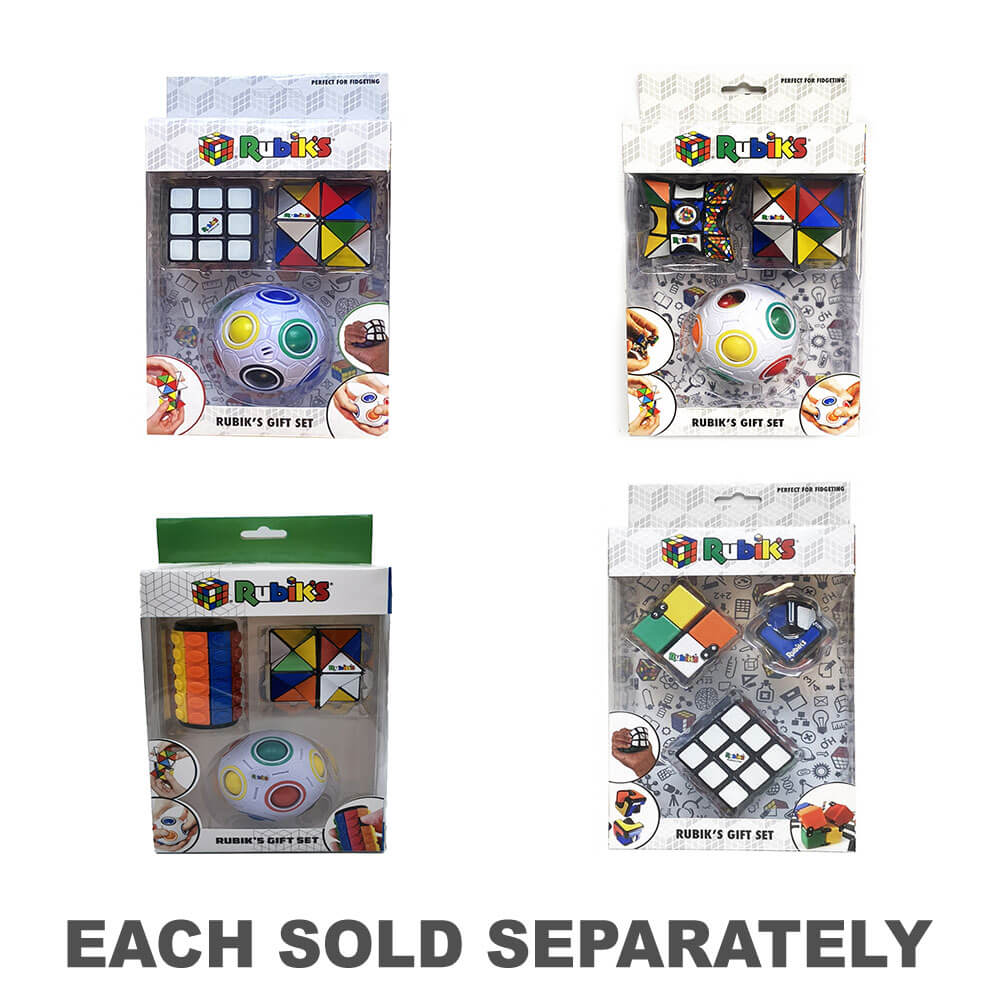
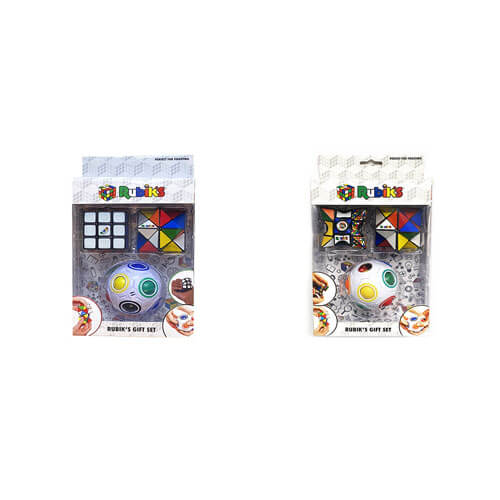
Browse cubes, foam cubes, fidget-style spinners, puzzle sets and twisty formats by difficulty, size and use. A beginner, casual desk puzzler and serious solver may all want different things.
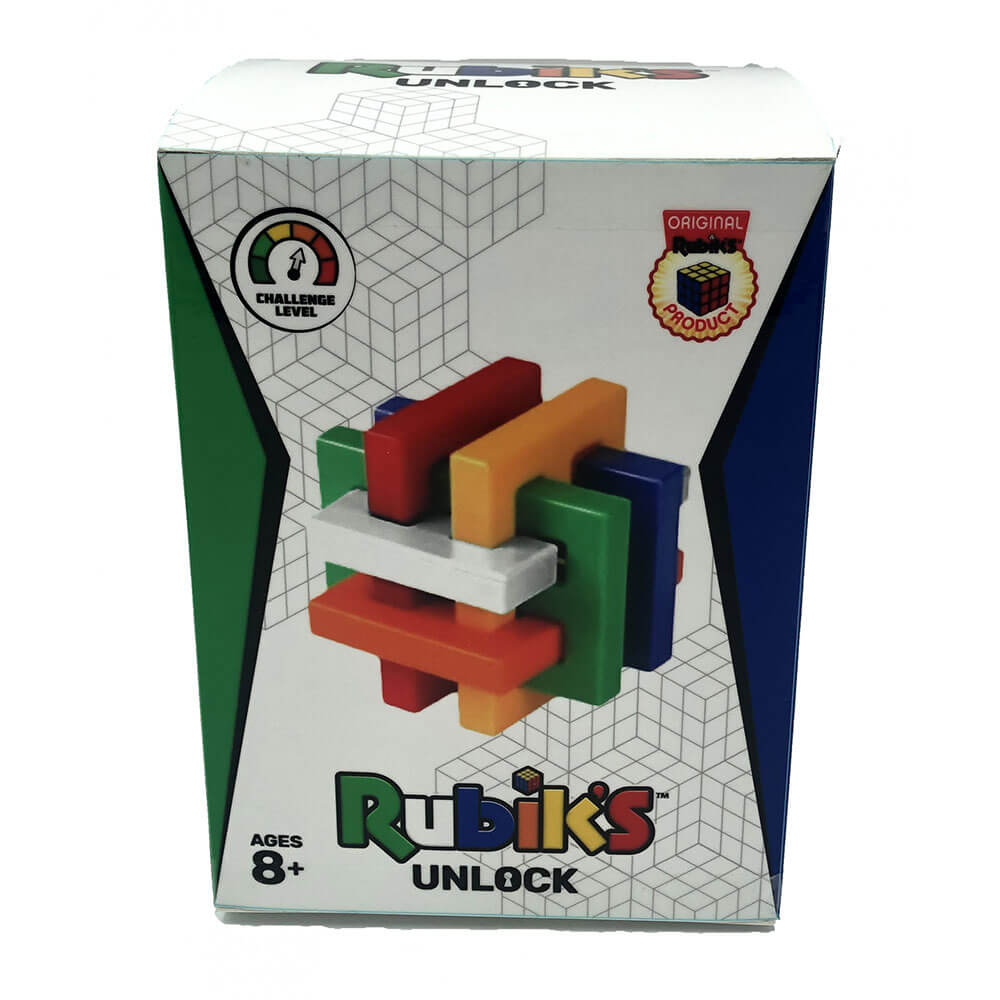
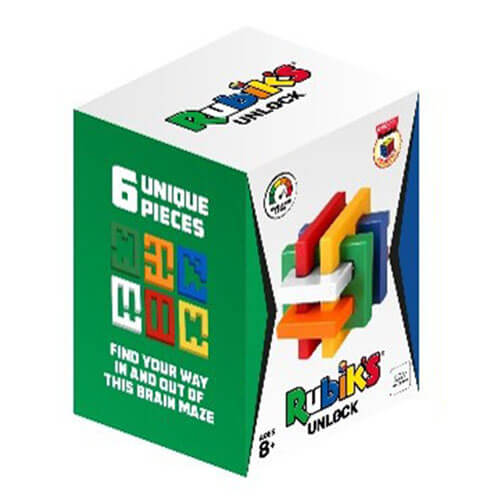
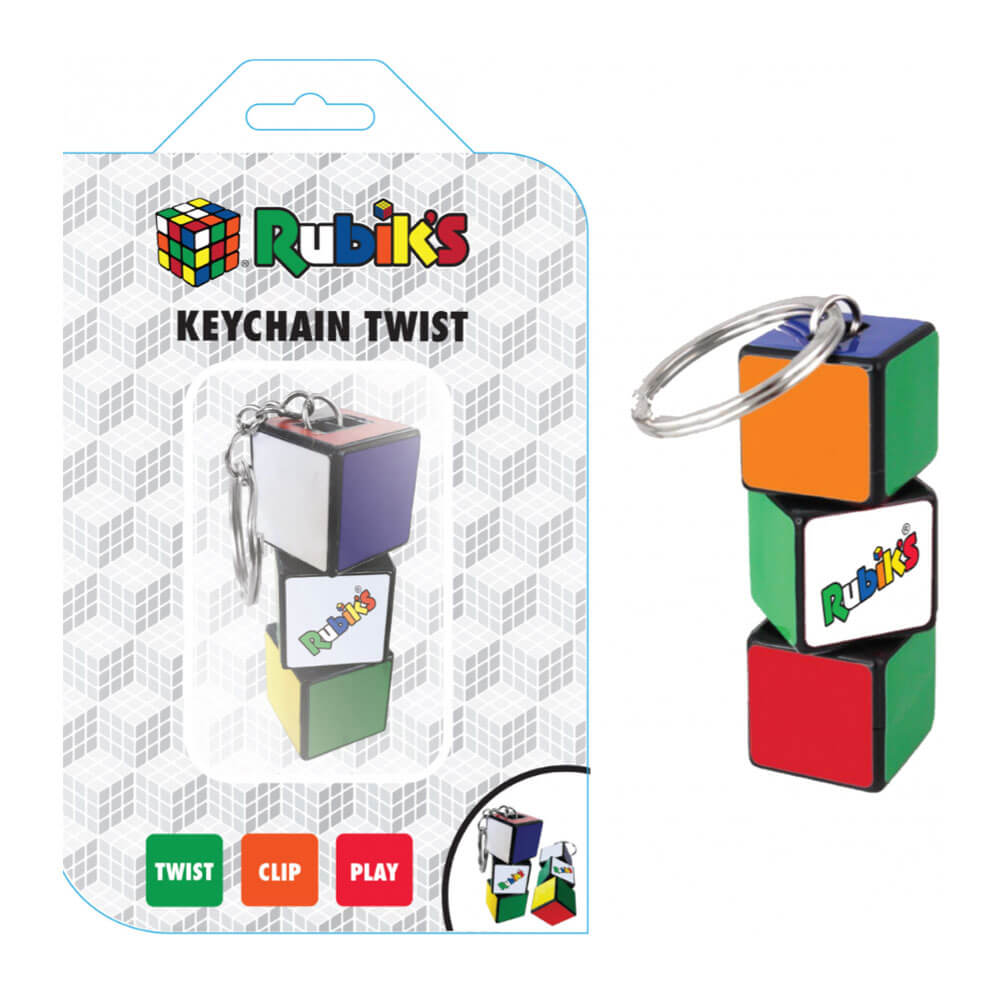
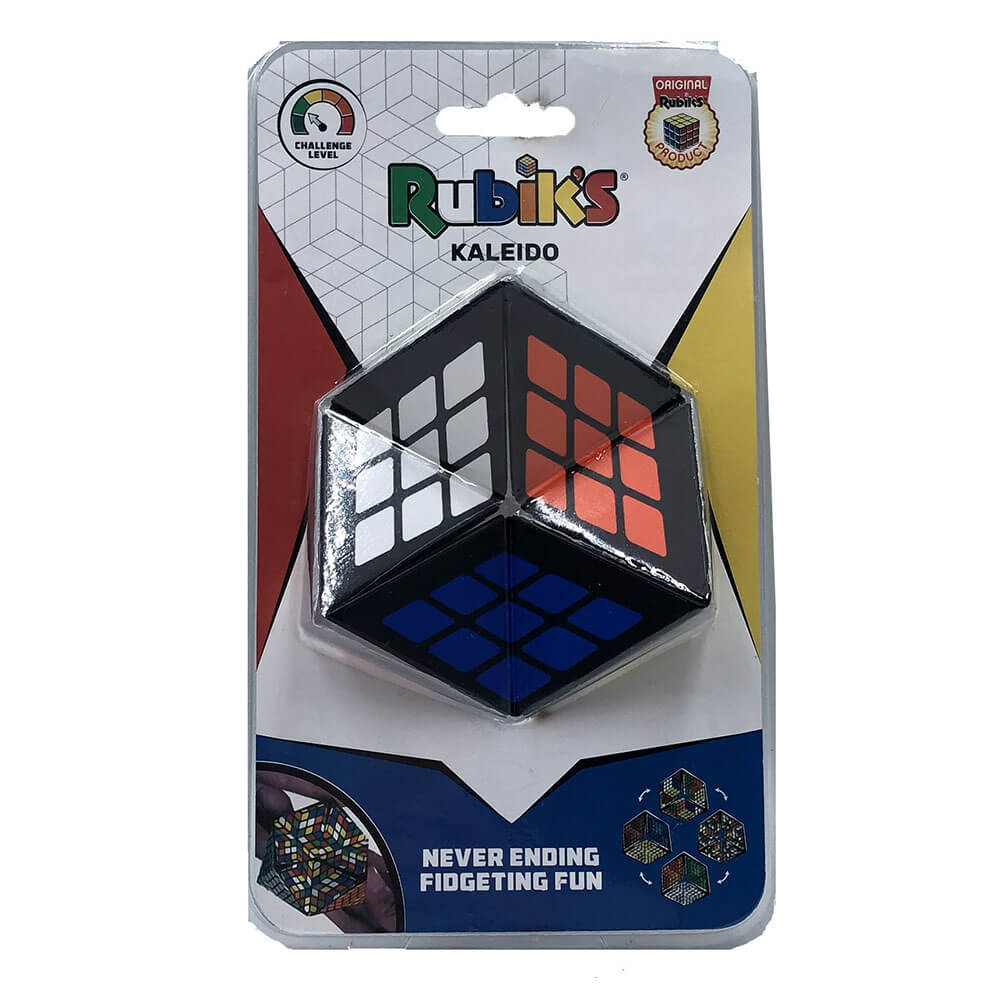
Recently viewed
Let customers speak for us
Rubik’s Cubes, Spinners & Brain Teasers
Choose by format and difficulty
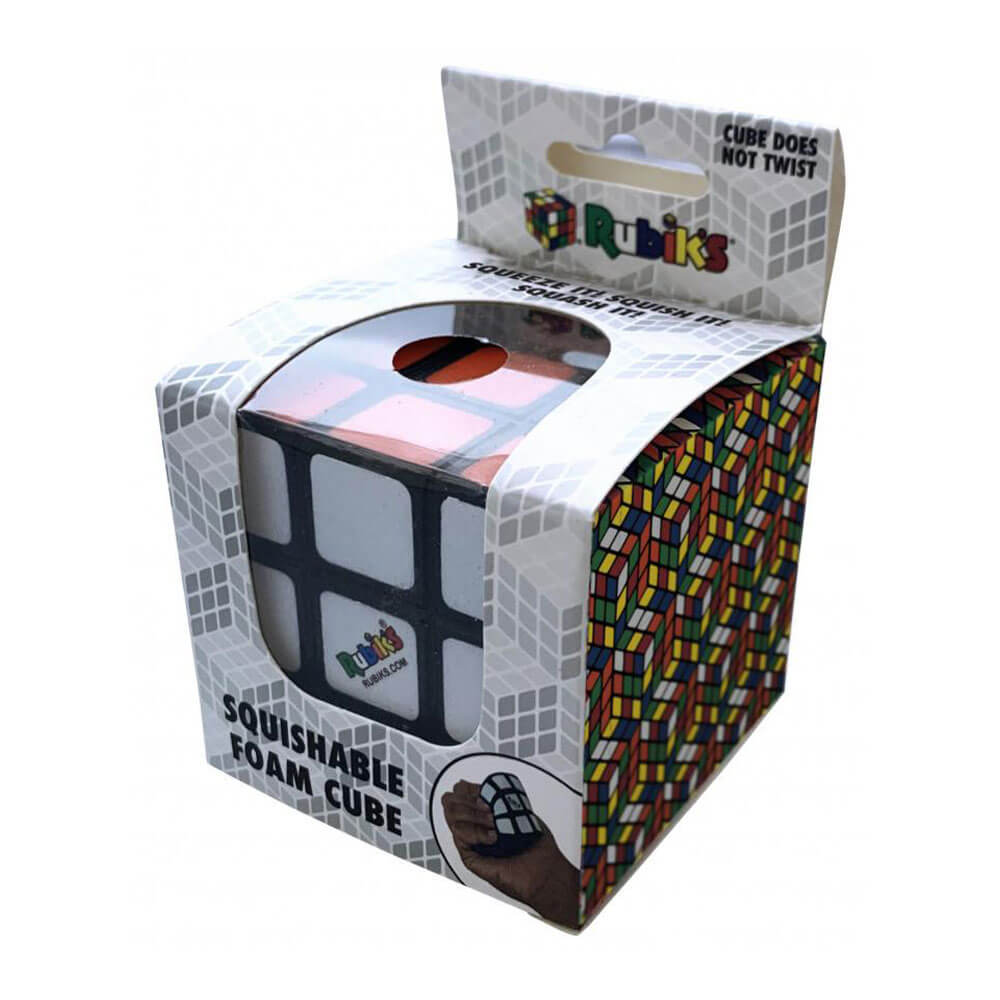
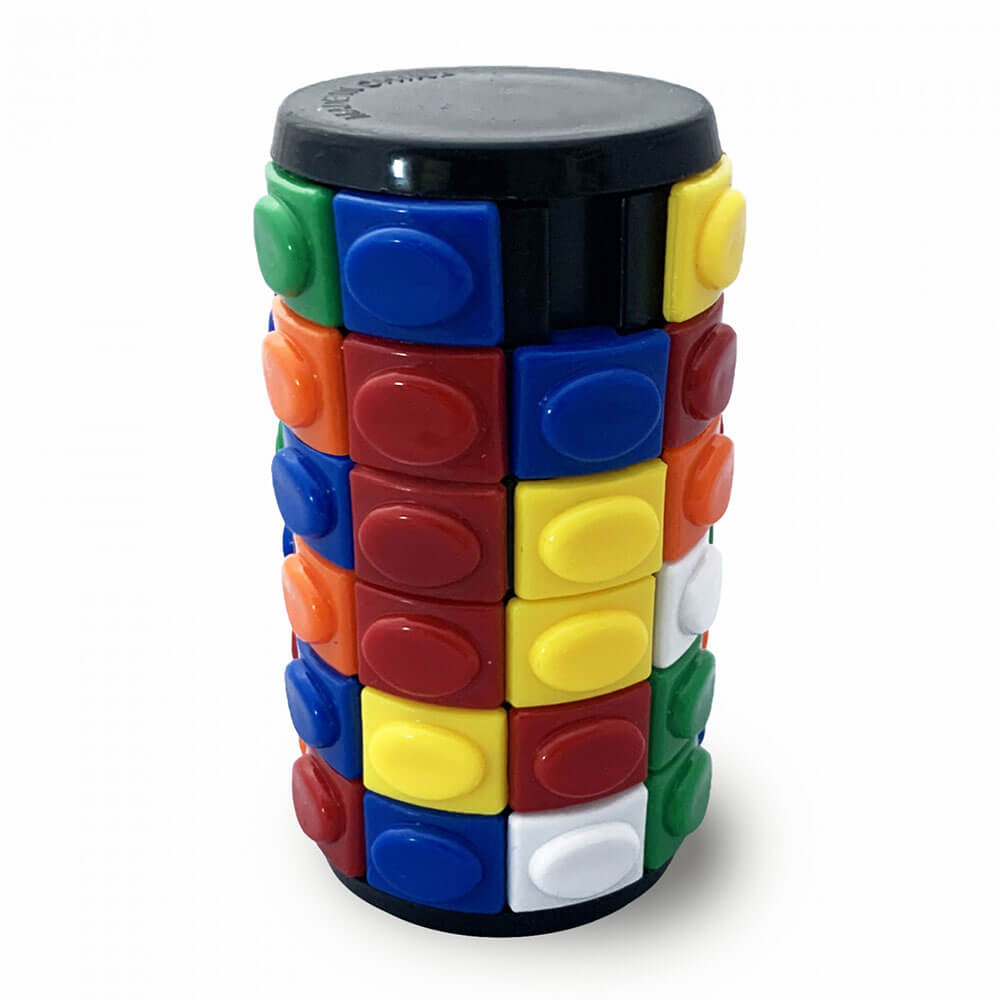
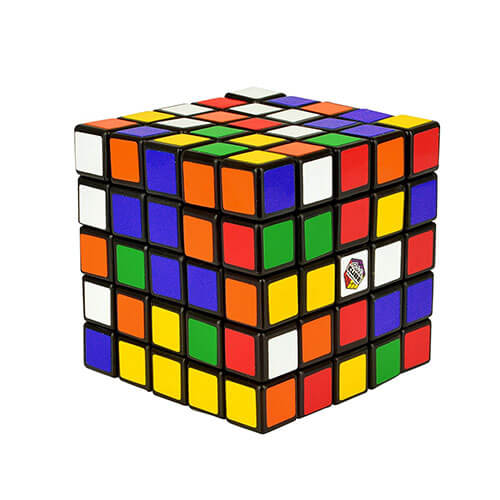
The familiar cube is only one part of this puzzle shelf. Some gifts are soft and tactile, some are designed for visual challenge, and others are better as small desk distractions than long solving projects. Start with the recipient’s patience level before picking the most complicated-looking option.
For children or first-time puzzlers, simpler formats and forgiving handling can matter more than speed. For puzzle fans, look at whether the product adds a new challenge, shape or display angle to what they already own.
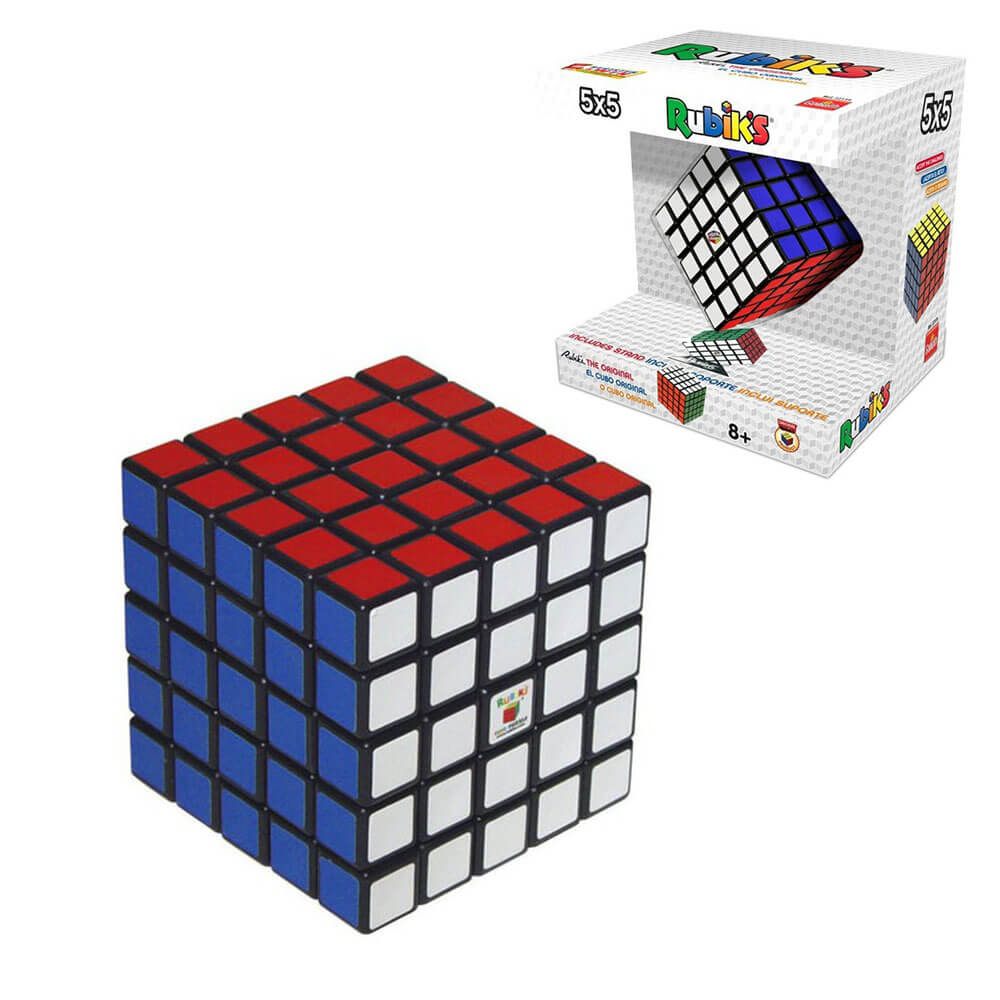
- For beginners: start with approachable cube formats or tactile pieces that are not intimidating.
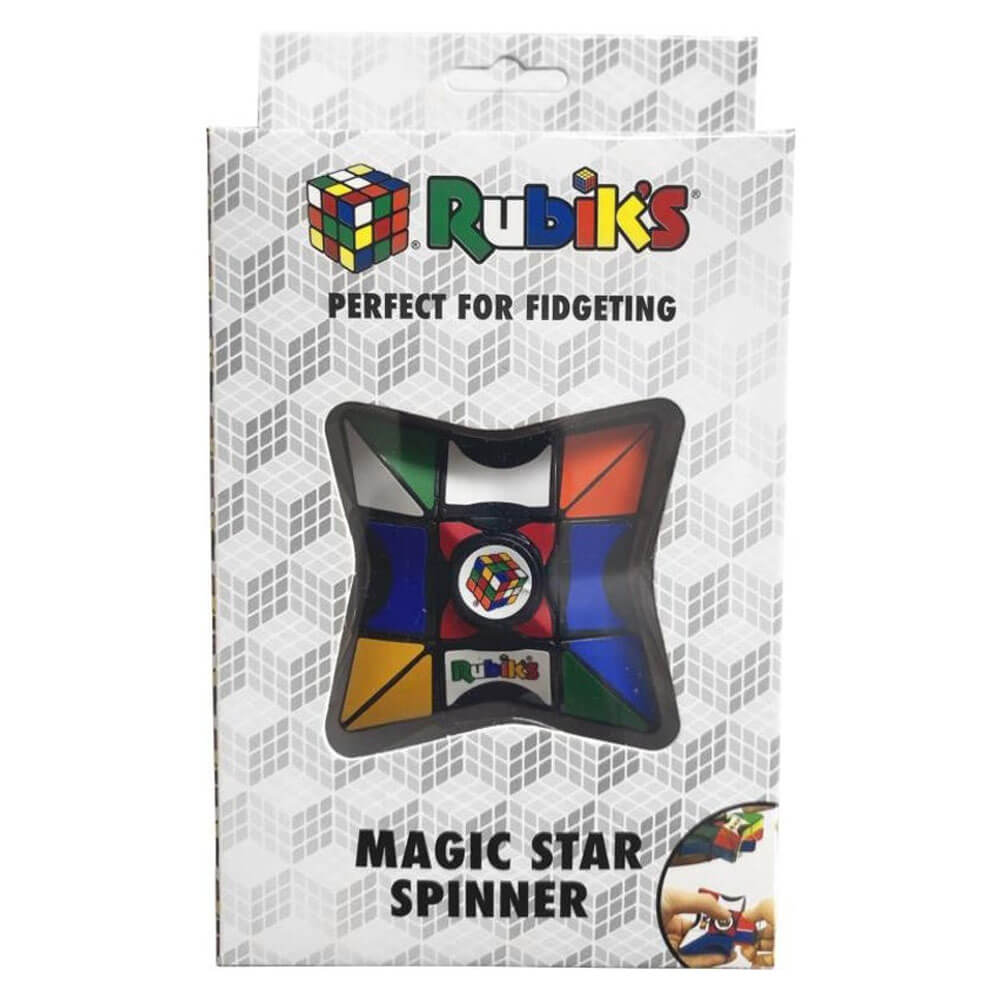
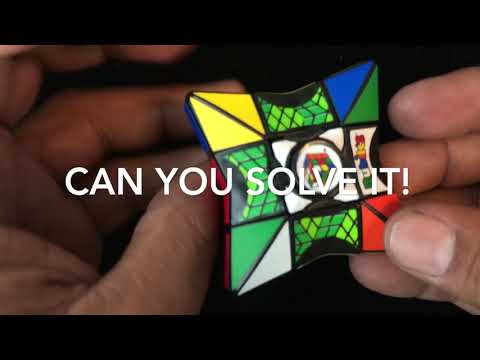
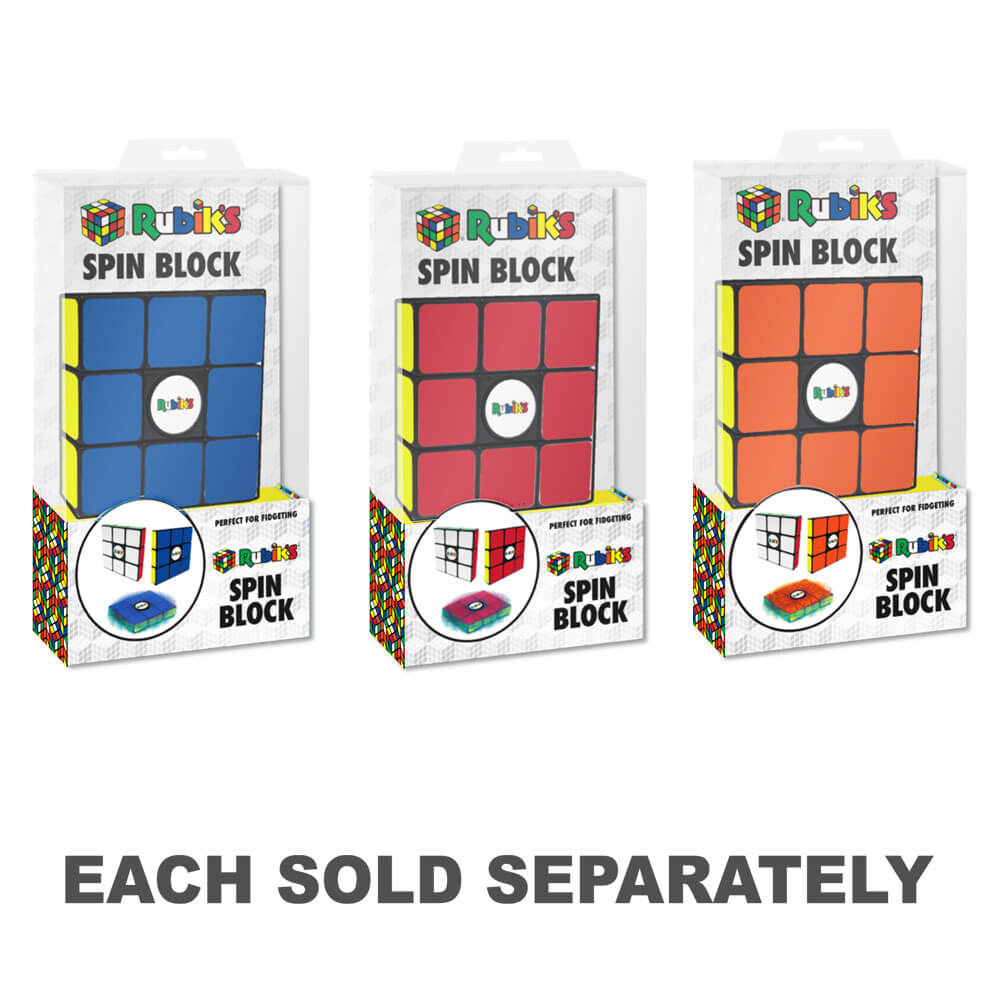
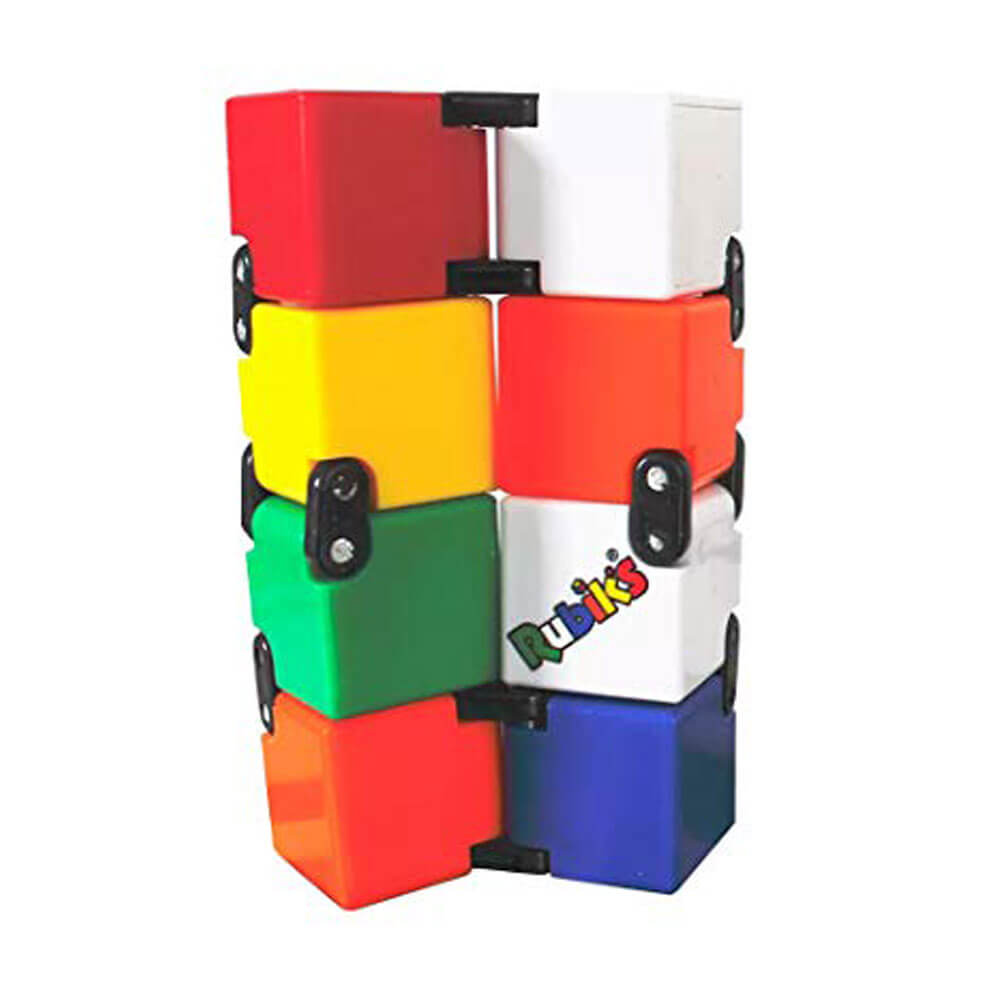
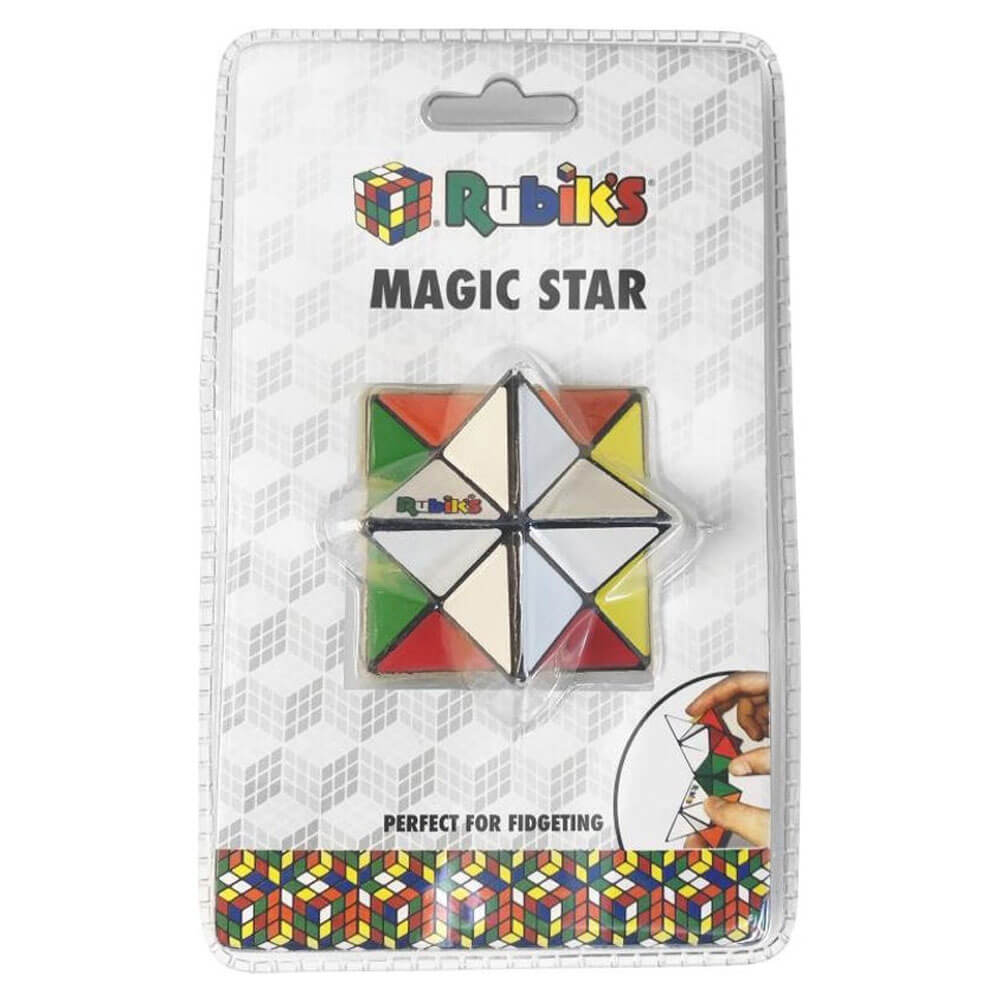
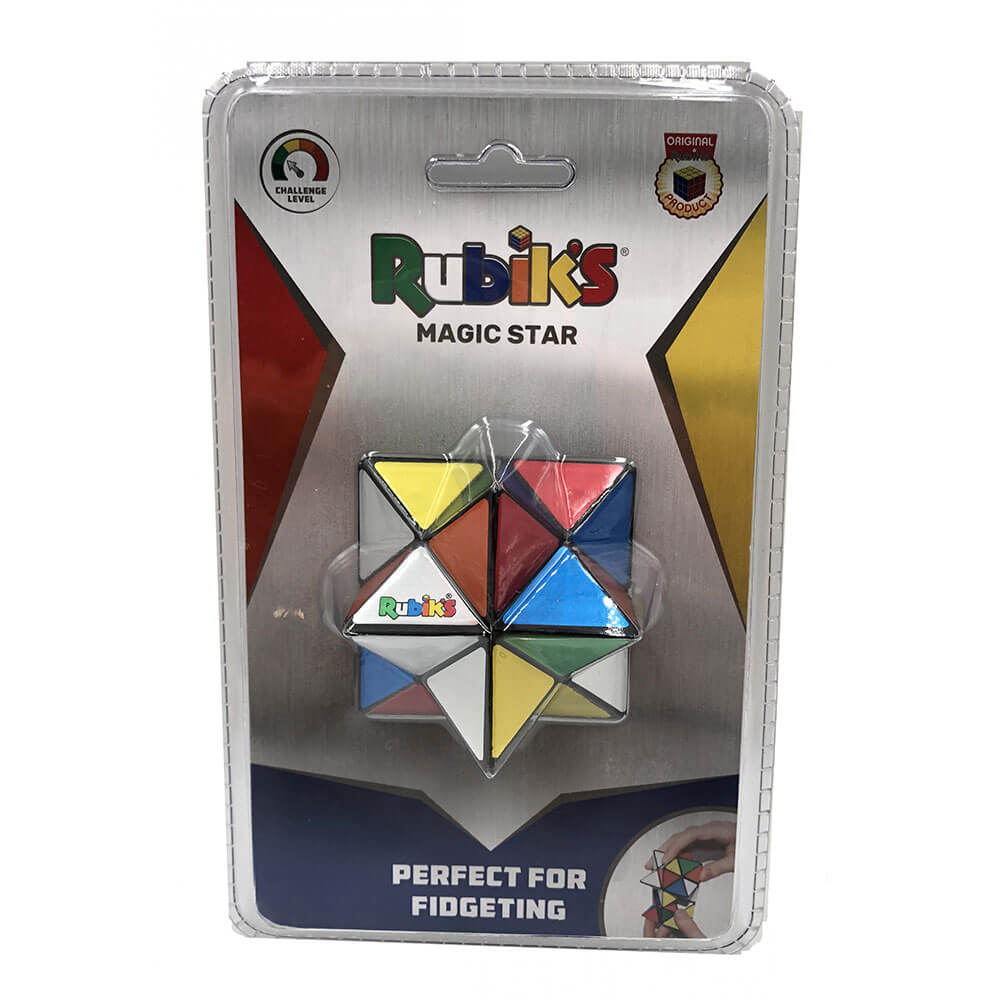
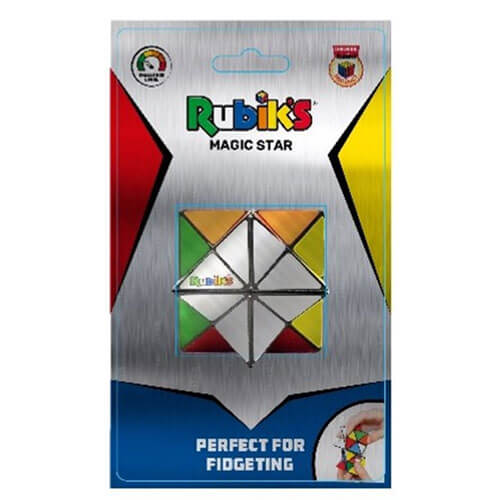
- For desk fidgeting: choose spinners or compact puzzles that invite quick use.
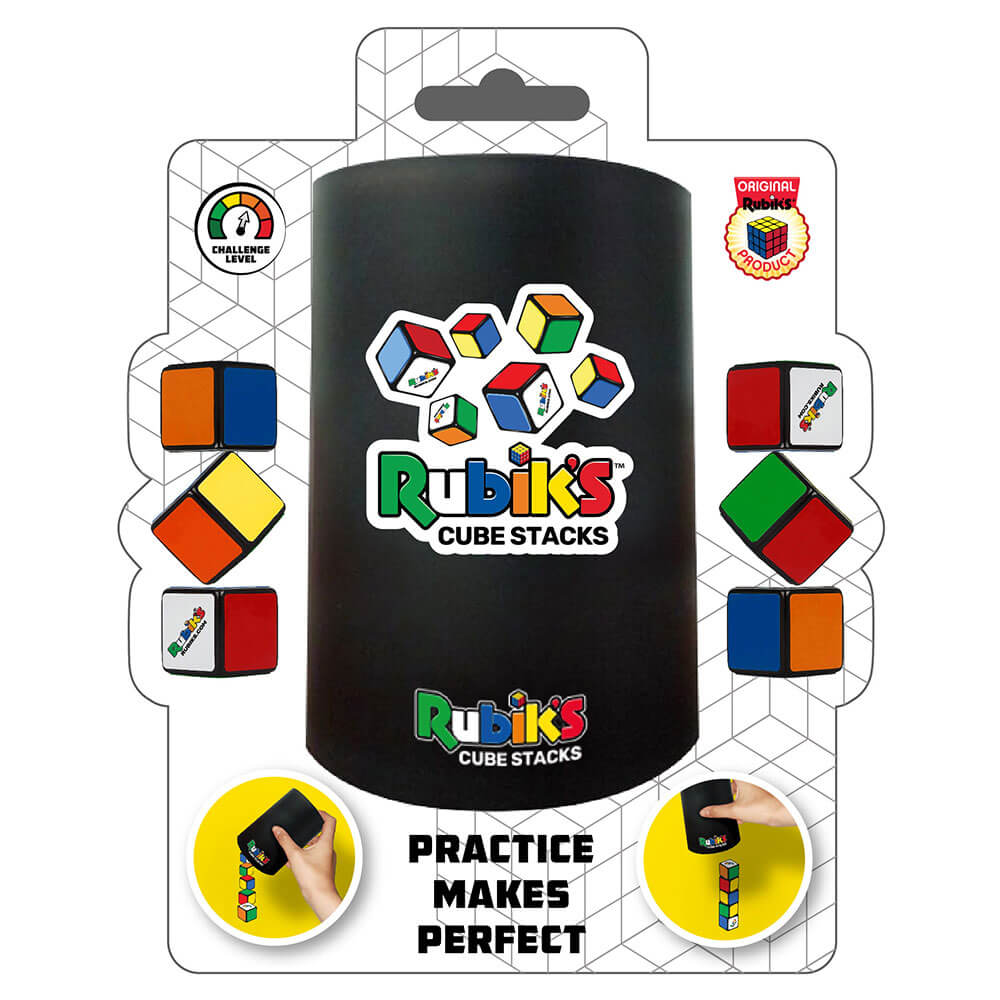
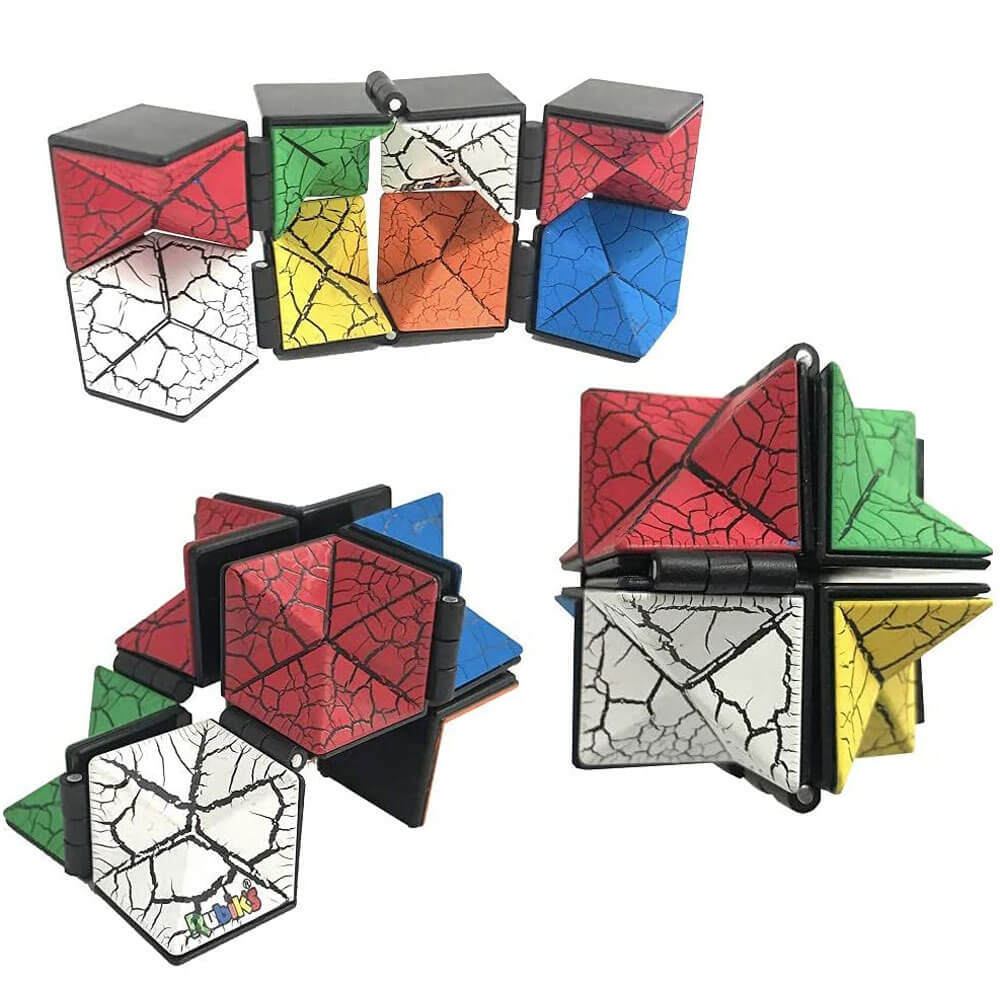
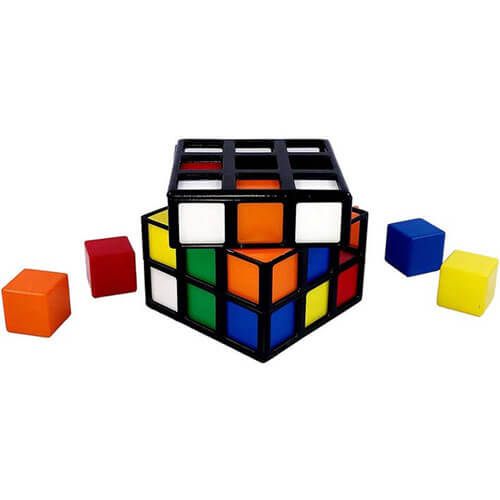
- For puzzle collectors: compare shape, challenge style and whether it feels different from a standard cube.
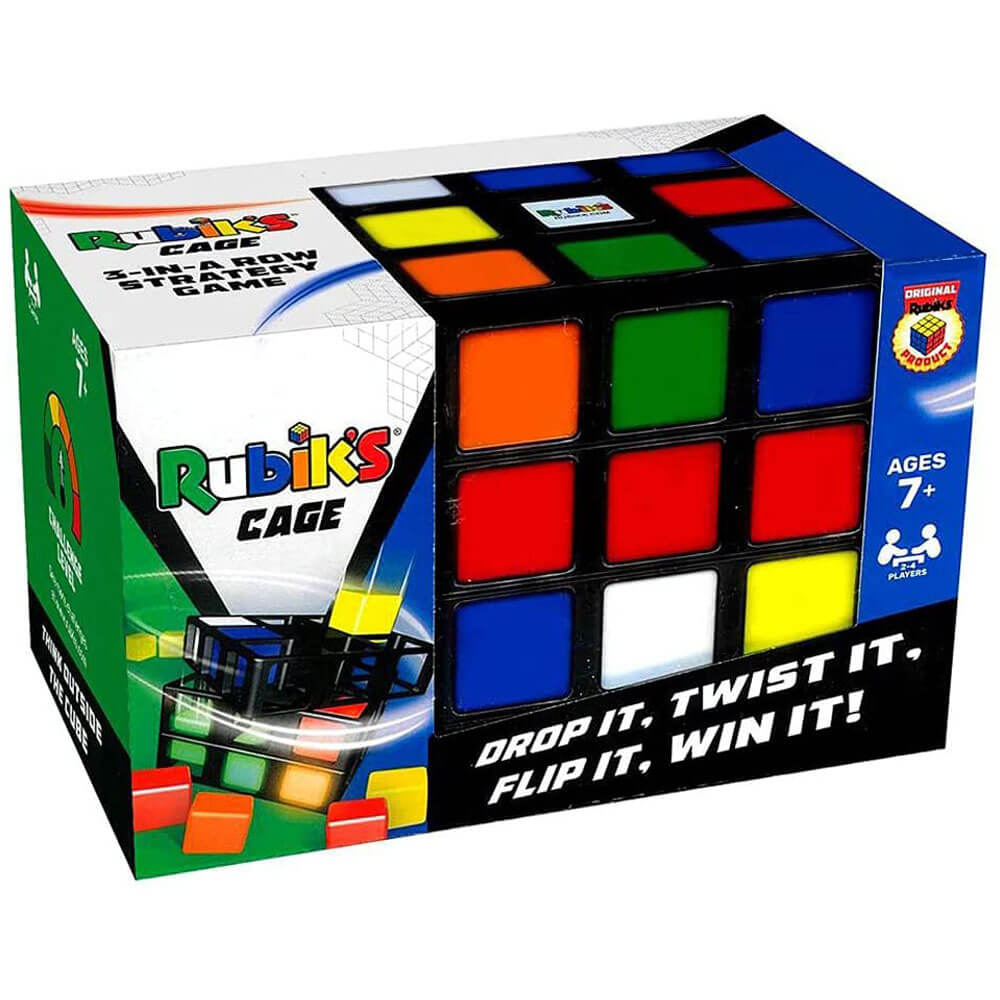
- For gifting: check age guidance, size and whether the puzzle will be fun without extra accessories.
More puzzle-friendly routes
For broader brain teasers, browse Puzzles or Brain Teasers. For family or party play, compare Board Games and Card Games. If the gift is for a child, age guidance and frustration level are more important than the most advanced challenge.
Rubik’s gift questions
What Rubik’s-style gift suits a beginner?
Choose a format that looks approachable, feels good in the hand and does not require specialist solving knowledge to enjoy.
Are these puzzles only for speed solvers?
No. Many cube and spinner-style puzzles work as desk toys, casual challenges, stocking fillers or small gifts for puzzle-curious people.
How do I choose between a cube and a spinner?
Cubes suit solving and pattern practice; spinners and tactile formats suit quick handling, fidgeting and lower-pressure play.